고객 요구사항
전문적인 UAV 통신 프로젝트를 수행하는 고객이 다음과 같은 사양을 가진 장거리 광섬유 전송 솔루션을 요구했습니다.
- 송신거리는 60KM
- 광 연결 장치: ST 인터페이스
- 비행 제어 및 비디오 전송을 위한 별도의 링크
- 가벼운 탑재 장비
- 안정적인 낮은 지연 통신
- 전기전자 간섭 방지 기능
고객은 이미 배포 개념을 최종화했으며 산업용 또는 장거리 드론 시스템에 적합한 신뢰할 수있는 이중 섬유 통신 아키텍처가 필요했습니다.

왜 드론에 두 개의 독립적인 섬유 연결을 사용합니까?
드론 통합업체에서 가장 자주 묻는 질문 중 하나는
Q: 왜 모든 것을 하나의 이더넷 링크를 통해 전송하지 않을까요?
실제 UAV 배치에서 제어 신호와 비디오/데이터 트래픽은 완전히 다른 우선 순위를 가지고 있습니다.
1비행 제어 신호
통제 프로토콜:
- CRSF (크로스파이어)
- MAVLink UART
- TTL 텔레메트리
다음을 요구합니다.
- 초저연속성
- 안정적인 양방향 통신
- 최소한의 기동
- 높은 신뢰성
작은 변속기 장애도 비행 안정성에 영향을 줄 수 있습니다.
2비디오 및 유료 화물 데이터
4K 비디오 스트림, 인공지능 유료물, 지도 센서, 탑재 컴퓨터 등은 훨씬 더 큰 트래픽 부하를 발생시킵니다.
컨트롤과 비디오가 동일한 통신 채널을 공유하는 경우 대역폭 혼잡이나 패킷 버퍼링이 대기 스파이크를 가져올 수 있습니다.
이러한 이유로 많은 전문 드론 시스템은 물리적으로 분리됩니다.
이중 독립적인 광섬유를 이용합니다.
이 프로젝트 에서 실제 사용 된 해결책
배포된 아키텍처는 다음을 사용합니다.
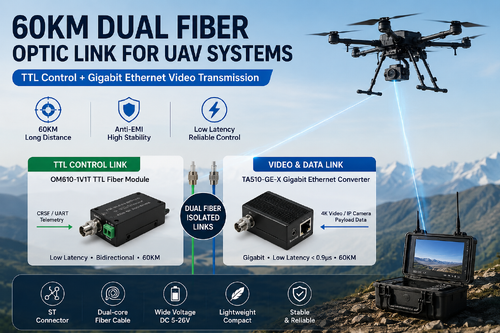
1CRSF / 비행 제어용 TTL 광섬유 모듈
모델: OM610-1V1T TTL 섬유 모듈
주요 임무:
- CRSF 전송
- UART TTL 텔레메트리
- 비행 컨트롤러 통신
- 원격 제어 신호 전송
주요 특징:
- 최대 60km까지 장거리 광 통신을 지원합니다.
- ST 광 인터페이스
- 대전압 DC5.5-26V
- UAV 설치용 가벼운 설계
- 낮은 지연시간의 양방향 광전달
이 모듈은 TTL 일련 신호를 광 신호로 변환하고 단일 모드 섬유를 통해 전송합니다.
이 링크는 다음과 같습니다.
- 원격 제어
- 원격 측정
- GPS 데이터
- 배터리 상태
- 비행 피드백
비디오 트래픽의 간섭 없이
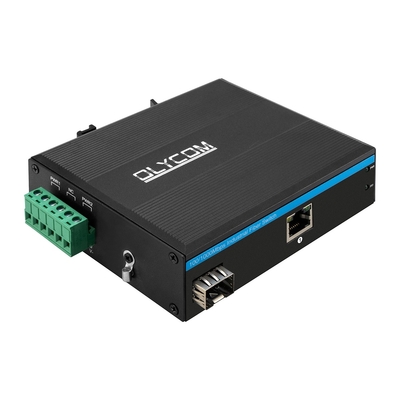
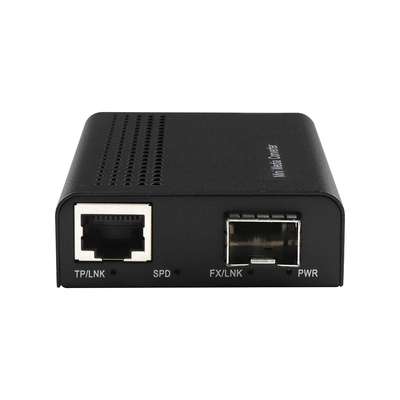
2비디오 전송을 위한 기가 비트 이더넷 섬유 변환기
모델: TA510-GE-X
주요 임무:
- 4K 카메라 전송
- 이더넷 페이로드 네트워크
- IP 카메라 통신
- 지상역 비디오 피드
주요 특징:
- 10/100/1000Mbps 적응 이더넷
- ST 섬유 인터페이스
- 커트-스루스 포워딩 레이텐스 0.9μs 이하
- 컴팩트 크기 70×25×15mm
- 전력 소모량은 1W 이하
- DC5-24V 배터리 직접 입력
이더넷 섬유 변환기는 다음과 같은 높은 대역폭 애플리케이션을 처리합니다.
- H.264/H.265 4K 비디오
- AI 엣지 컴퓨팅
- 사용량 지도
- 센서 네트워크
질문: 기가비트 이더넷은 4K 드론 비디오에 충분할까요?
네, 네ost UAV 4K 비디오 시스템 사용H.264/H.265 압축 코딩
전형적인 비트 레이트는 다음과 같습니다.
심지어는 고품질의 스트림에도 말이죠.
기가비트 광 이더넷 링크는 거의 900Mbps 사용 가능한 처리량을 제공하며 다음과 같은 중요한 대역폭 유지를 남겨줍니다.
- 여러 비디오 채널
- 원격 측정
- 인공지능 데이터
- 센서 유해물
왜 고객이 ST 섬유 커넥터를 선택 했습니까?
Q: 왜 SC 또는 LC 대신 ST를 사용합니까?
많은 산업 및 현장 배치 프로젝트에서 ST 커넥터는 선호됩니다.
- 안전 트위스트 잠금 구조
- 진동 저항성
- 야외 환경에서는 신뢰할 수 있습니다
- 쉬운 현장 처리
- 일반적으로 산업용 섬유 시스템에서 사용됩니다.
이것은 ST 커넥터를 다음과 같은 용도로 실용화합니다.
- 연결된 UAV 시스템
- 이동식 지상역
- 야외에 배치
- 산업용 검사 플랫폼
듀얼 파이버 링크에 대한 전형적인 UAV 응용 프로그램
이 유형의 아키텍처는 일반적으로 다음과 같이 사용됩니다.
- 연결된 드론
- 장거리 FPV UAV
- 산업 검사용 드론
- 전력망 검사
- 국경 감시
- 광산 및 석유 필드 UAV
- 군용 방식의 간섭 방지 통신 시스템
광섬유 통신은 전통적인 RF 링크에 비해 주요 장점을 제공합니다.
- 전자기 간섭이 없습니다.
- 안정적인 장거리 전송
- 낮은 대기 시간
- 더 높은 보안
- RF 스펙트럼 혼잡이 없습니다.
최종 배치 구조
최종 고객 솔루션은 다음과 같은 것을 사용합니다.
- 듀얼 코어 케블러 강화 섬유 케이블
- TTL/CRSF 제어에 필요한 하나의 광 코어
- 기가비트 이더넷 비디오에 대한 하나의 광 코어
- 60km 단방향 광전달
- ST 광접속기
- 독립적이고 고립된 통신 경로
이 아키텍처는 통신 신뢰성을 크게 향상시키고 특히 복잡한 전자기 환경에서 작동하는 전문 UAV 플랫폼에 적합합니다.
자주 묻는 질문 (FAQ)
Q: TTL 광 모듈이 CRSF를 지원 할 수 있습니까?
네. 모듈은 TTL UART 통신을 지원하고 FPV 및 전문 UAV 시스템에서 사용되는 CRSF 전송에 적합합니다.
Q: 이더넷 변환기가 4K 비디오를 전송할 수 있나요?
네, 기가비트 이더넷 대역폭은 압축된 4K H.264/H.265 비디오 스트림에 충분합니다.
Q: 어떤 전송 거리가 지원됩니까?
선택적 거리는 다음을 포함합니다.
광학적 구성에 따라
질문: 이 시스템은 드론 배터리에서 직접 작동할 수 있나요?
네, 두 모듈 모두 넓은 DC 전압을 지원하고
질문: 왜 제어와 비디오 연결을 분리시켰을까요?
왜냐하면 비행 제어에는 극히 낮은 지연시간과 높은 안정성이 필요하고, 비디오 트래픽은 훨씬 더 큰 대역폭을 소비하기 때문입니다.물리적 격리 는 신뢰성 을 향상 시키고 신호 종류 간 간섭 을 방지 한다.


 귀하의 메시지는 20-3,000 자 사이 여야합니다!